Kitesurfing History from its Beginning to Today.

Kitesurfing, an exhilarating sport combining elements of surfing, windsurfing, and paragliding, boasts a rich history dating back centuries. At KiteVoodoo, we pride ourselves in teaching this thrilling activity and celebrating its rich development; in this blog post, we’ll take an in-depth look into its early beginnings before progressing to become the dynamic and popular sport it is today.

Early Beginnings of Kitesurfing

Wind power to propel oneself has its roots in ancient China, where kites were first invented around 1000 BCE. While initially, these kites were used primarily for military signalling and scientific experiments, in the 19th century, their popularity increased considerably and more recreational and practical uses emerged.

One of the earliest documented uses of kites as propulsion was during French inventor Pierre-Lemoigne’s experiments in the late 1800s. Though his ideas did not fully develop into a sport, they laid foundational principles for future innovations.

The 20th Century: Concept to Sport

Modern kitesurfing was established during the late 20th century. A breakthrough came with Bruno and Dominique Legaignoux of France, who designed and patented an inflatable kite that provides more stability and user-friendliness than traditional fixed frame kits. This innovation became pivotal to making kitesurfing possible.

Around the same time, another critical figure was also instrumental in shaping the sport. In 1984, a New Zealand inventor named Peter Lynn introduced the “kiteboard,” comprising a board connected to a kite by lines and harnesses to enable riders to glide effortlessly across the water with the wind’s power.

The 1990s: The Genesis of Kitesurfing

In 1999, kitesurfing experienced an important milestone. Official recognition came with the founding of the International Kiteboarding Association (IKA), which helped standardize rules and promote competition globally. Furthermore, kitesurfing schools became essential institutions offering structured lessons and guidance to ensure safe yet enjoyable experiences for riders of all skill levels.

At KiteVoodoo, we embrace this spirit of innovation and education by offering top-quality kitesurfing lessons tailored to meet the needs of all skill levels. Our school is committed to helping new enthusiasts master the basics while informing them about its history and safety practices.

The 2000s and Beyond: Experience Rapid Growth and Technological Advancements

Kitesurfing boomed during the early 2000s due to kite design, materials, and technology advances. Smaller kites were made more accessible, while advances in board design made it enjoyable for riders of all skill levels. Kitesurfing schools such as KiteVoodoo began offering courses to meet the growing demand for instruction worldwide.

In recent years, kitesurfing has continued to evolve through innovative technologies such as hydrofoils and advanced kite control systems, expanding riders’ possibilities regarding styles and techniques such as hydrofoils and wave riding. These innovations have expanded kitesurfing options by providing access to new techniques, such as hydrofoils.

KiteVoodoo: Celebrating the Development of Kitesurfing

KiteVoodoo takes great pride in being part of the kitesurfing community and contributing to its rich history. Our commitment to excellence and innovation reflects its development; regardless of whether you are just starting or an advanced rider looking to perfect your skills, our school provides expert instruction and support so that you can reach your goals successfully.

As we look back on the history of kitesurfing, it’s clear that its development from its ancient origins to what we see today has been remarkable. From early experiments with kites to advanced technology for modern kitesurfing – its journey has been nothing short of remarkable – KiteVoodoo is proud to be part of its history and hopes that riders of all levels experience its thrills!

So whether you’re just getting into kitesurfing or are an advanced rider looking to expand your horizons, join KiteVoodoo and be part of this thrilling sport’s future! Embark upon an unforgettable kitesurf journey! Explore wind and waves together while discovering kitesurfing as never before!

Learn Kitesurfing in Portugal with Expert Instructors

Learn Kitesurfing in Portugal with Kitevoodoo your kitesurf and wing premium school on the windiest spot of Europe, Viana do Castelo

Welcome to the exhilarating world of kitesurfing group lesson! If you’ve ever dreamt of harnessing the power of the wind and gliding effortlessly over the waves, you’re in the right place.

Unlock Your Potential as an Independent Kitesurfer

We believe that the ocean is the ultimate playground, and with the right knowledge and techniques, you can turn it into your personal arena of adventure. Whether you’re a thrill-seeker, water enthusiast, or someone looking to try something new, kitesurfing awaits you, and we’re here to guide you every step of the way.

At KiteVoodoo, our goal is to guide every student to become a truly independent rider to ensure you can ride at any spot, allowing you to enjoy kitesurfing in various conditions without limit. Therefore our dedicated team of instructors brings years of experience to ensure that your learning curve is fast & smooth,  and the experience is not only educational but also a lot of fun.

10 MOST COMMON QUESTIONS

1. IS IT HARD TO LEARN KITESURFING ?

Learning kitesurfing can vary in difficulty depending on several factors, including individual aptitude, fitness level, and the quality of instruction during the lessons. While it is considered an exhilarating and rewarding water sport, it does come with a learning curve. Here are some factors to consider:

  1. Skills Required: Kitesurfing involves a combination of skills from various water and wind sports, such as kite control, board riding, and understanding wind conditions. If you already have experience in related sports like windsurfing or wakeboarding, you may find the transition smoother.

  2. Physical Fitness: Kitesurfing requires a reasonable level of physical fitness. Strength, endurance, and core stability are beneficial for controlling the kite and maintaining balance on the board. Regular exercise and strength training can help prepare your body for the physical demands of the sport.

  3. Quality of Instruction: Having a skilled and experienced instructor can significantly impact the learning process. A good instructor will guide you through the basics, help you understand safety measures, and provide valuable tips to accelerate your progress.

  4. Patience and Persistence: Like any skill-based sport, kitesurfing requires patience and persistence. It’s normal to face challenges and setbacks during the learning process, but the key is to stay motivated and keep practicing.

  5. Safety Awareness: Safety is paramount in kitesurfing. Understanding the wind conditions, knowing how to use safety systems, and following proper procedures are crucial for a safe learning experience.

While some individuals may pick up kitesurfing group lesson quickly, others may take more time to feel comfortable on the water.

The most important aspect is to approach it with a positive mindset, follow safety guidelines, and enjoy the learning journey.

Taking lessons from certified instructors and practicing in suitable conditions will contribute to a more enjoyable and successful learning experience.

kitesurf school Portugal

2. HOW MUCH DOES IT COST TO LEARN KITESURFING GROUP LESSON ?

The cost of learning kitesurfing can vary based on several factors, including the location, the quality of instruction, and the duration of the lessons. Here are some cost considerations:

  1. Lessons: Most people start by taking lessons from certified kitesurfing instructors. Prices for lessons can vary, but on average, you might expect to pay anywhere from 60€ to 150€ per hour for individual or group lessons. Many beginners opt for a package that includes multiple hours of instruction.

  2. Equipment Rental: If you don’t have your own kitesurfing equipment, you may need to rent it. Rental costs can vary, but you might spend around €50 to €150 per day for kite and board rental.

  3. Gear Purchase: If you decide to pursue kitesurfing regularly, you’ll likely want to invest in your own gear. The cost of kites, boards, harnesses, and other necessary equipment can range from €1,000 to €3,000 or more, depending on the brand and quality of the equipment.

  4. Additional Costs: Factor in additional costs such as wetsuits, harnesses, safety gear, and accessories. These costs can vary, but budgeting an additional €500 to €1000 for these items is a rough estimate.

  5. Location: The cost of learning kitesurfing may also vary based on the location. In popular kitesurfing destinations, prices might be higher due to increased demand and the availability of experienced instructors.

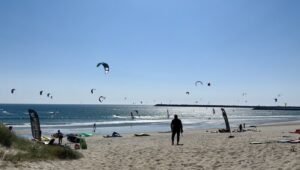
Best air temperature, water temperature, wind direction, best kitesurfing spot in Portugal near Porto, Viana do Castelo, praia do Cabedelo, kitesurfing school - KiteVoodoo

Keep in mind that these are general estimates, and prices can vary widely. It’s advisable to check with local kitesurfing schools and rental shops to get specific pricing for your location.

Additionally, consider the value of quality instruction and safety when choosing a kitesurfing school, as investing in a reputable school can enhance your learning experience and safety on the water.

3. WHERE IS THE BEST PLACE TO LEARN KITESURF ?

When choosing a place to learn kitesurfing, it’s crucial to prioritize professional schools with certified instructors to ensure a safe and effective learning experience. Here are some general guidelines on how to choose the best place:

  1. Certified Instructors:

    • Look for schools that employ certified kitesurfing instructors. Instructors with certifications from organizations like the International Kiteboarding Organization (IKO) or other recognized bodies have undergone training to teach kitesurfing safely.
  2. School Reputation:

    • Research the reputation of the kitesurfing school. Read reviews, testimonials, or ask for recommendations from other kitesurfers. A school with positive feedback and a good reputation is more likely to provide quality instruction.
  3. Safety Standards:

    • Check if the school adheres to strict safety standards. This includes having proper safety equipment, well-maintained gear, and clear safety protocols. A focus on safety is essential for a positive learning experience.
  4. Lesson Packages:

    • Consider schools that offer comprehensive lesson packages. These packages often include a series of lessons to take you from beginner to a more advanced level. This structured approach ensures a gradual and thorough learning process.
  5. Location Conditions:

    • Choose a school located in an area with suitable conditions for learning. Look for locations with consistent wind, shallow water, and a spacious beach area. These conditions make it easier for beginners to practice and progress.
  6. Equipment Quality:

    • Inquire about the quality of the kitesurfing equipment provided by the school. Well-maintained and up-to-date gear can contribute to a smoother learning experience.
  7. Insurance Coverage:

    • Check if the school and instructors have liability insurance. This ensures that you are covered in case of any accidents or injuries during the learning process.
  8. Lesson Duration and Structure:

    • Find out the duration and structure of the lessons. Longer lessons or multi-day courses may provide more comprehensive learning experiences. A well-structured curriculum should cover both theoretical and practical aspects of kitesurfing.

By considering these factors, you increase the likelihood of having a positive and safe learning experience with certified instructors in a professional kitesurfing school, regardless of the specific location.

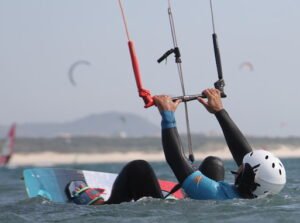
waterstart au démarrage avec planche de kitesurf école de kite kitevoodoo

4. WHAT IS IMPORTANT TO KNOW BEFORE CHOOSING A KITE SCHOOL ?

Identifying the best place to learn kitesurfing involves considering several factors, including accessibility, international flights, proximity to an airport, reliable wind conditions, good infrastructure, and the presence of professional schools. While specific locations can vary based on individual preferences, the following characteristics are generally desirable for an ideal kitesurfing learning destination:

Reliable Wind Conditions:

Opt for a region known for consistent and reliable wind conditions, as this is crucial for effective kitesurfing lessons. A destination with a reputation for steady winds is ideal for learning and practicing.

Good Infrastructure:

Consider destinations with well-established kitesurfing infrastructure, including schools, rental facilities, and accommodation options. A supportive infrastructure can enhance your overall learning experience.

Professional Schools and Instructors:

Seek out locations with reputable kitesurfing schools that employ certified and experienced instructors. A professional learning environment is essential for acquiring the necessary skills safely and efficiently.

Diverse Learning Conditions:

Look for destinations that offer a variety of learning conditions, such as shallow water areas for beginners and more challenging conditions for advancing skills. This diversity allows for a well-rounded learning experience.

Community Support:

Consider destinations with a vibrant kitesurfing community. This not only provides a supportive atmosphere but also opens up opportunities for networking, sharing experiences, and accessing local knowledge.

Safety Measures:

Prioritize locations with a strong emphasis on safety. A destination that adheres to safety standards, provides rescue services, and prioritizes student well-being is crucial for a positive learning experience.

Proximity to an Airport:

Choosing a location near an airport reduces travel time and simplifies logistics, making it easier for learners to reach their destination quickly.


By considering these factors, you can identify a destination that aligns with your preferences and offers an optimal environment for learning kitesurfing.


It’s recommended to research specific locations based on these criteria to find the ideal spot for your kitesurfing journey.

KiteVoodoo kitesurfing Portugal

5. IS KITESURFING a SAFE SPORT ?

Kitesurfing can be a safe sport when practiced with proper instruction, adherence to safety guidelines, and awareness of the environment. However, like any adventure sport, there are inherent risks, and safety precautions are crucial. Here are key factors to consider regarding the safety of kitesurfing:

  1. Professional Instruction:

    • Learning from certified and experienced instructors is essential for acquiring the necessary skills and safety knowledge. Professional instruction helps beginners understand how to control the kite, handle the board, and respond to changing conditions.
  2. Safety Gear:

    • Wearing the right safety gear is crucial in kitesurfing. This includes a harness, life jacket, helmet, and sometimes protective footwear. These items provide protection and buoyancy in case of falls or accidents.
  3. Weather Conditions:

    • Being aware of and understanding weather conditions is vital. Kitesurfers should avoid extreme weather situations, such as storms or unpredictable wind patterns, as they can pose serious risks.
  4. Location Awareness:

    • Choosing suitable locations for kitesurfing is important. Beginners should practice in areas with shallow water and minimal obstacles. Avoid crowded beaches and areas with strong currents.
  5. Responsible Kiting:

    • Practicing responsible kiting involves respecting other beachgoers, water users, and wildlife. Following established rules and guidelines helps ensure the safety of everyone in the vicinity.
  6. Emergency Procedures:

    • Knowing and practicing emergency procedures is essential. This includes understanding how to activate safety systems on the kite, performing self-rescue techniques, and signaling for assistance if needed.
  7. Continuous Learning:

    • Kitesurfing skills can always be improved. Continuous learning and staying updated on safety practices contribute to ongoing safety in the sport.
  8. Physical Fitness:

    • Maintaining good physical fitness is beneficial for kitesurfers. Strength and endurance contribute to better control of the kite and board, reducing the risk of fatigue-related incidents.


While kitesurfing can be safe under the right conditions, it’s important to acknowledge the risks and take appropriate precautions.

Beginners should invest time in proper training, and even experienced kitesurfers should stay vigilant and prioritize safety.

Adhering to guidelines, respecting the environment, and being aware of one’s abilities and limits all contribute to a safer kitesurfing experience

kitesurf school Portugal

6.CAN EVERYONE LEARN KITESURFING?

Kitesurfing is a physically demanding sport that requires a certain level of fitness, coordination, and comfort in the water. While many people can learn and enjoy kitesurfing, it may not be suitable for everyone. Here are some factors to consider:

  1. Physical Fitness:

    • Kitesurfing involves elements of strength, endurance, and balance. Individuals with a reasonable level of physical fitness are better equipped to handle the physical demands of the sport.
  2. Comfort in the Water:

    • Being comfortable in the water is essential for kitesurfing, as it often takes place in the ocean or other bodies of water. Basic swimming skills and water confidence are advantageous.
  3. Coordination:

    • Kitesurfing requires good coordination between flying the kite and maneuvering the board. Individuals with a sense of balance and coordination may find it easier to pick up the skills.
  4. Health Considerations:

    • Individuals with certain health conditions, such as heart problems or respiratory issues, should consult with a medical professional before attempting kitesurfing. Additionally, injuries or physical limitations may affect one’s ability to participate.
  5. Age:

    • While there isn’t a strict age limit for learning kitesurfing, it may be more challenging for very young children or older individuals. Some schools may have age restrictions, and it’s important to follow their guidelines.
  6. Commitment to Learning:

    • Learning kitesurfing requires time, patience, and commitment. Individuals who are willing to invest in proper training and practice are more likely to succeed and enjoy the sport.
  7. Risk Tolerance:

    • Kitesurfing involves some level of risk, as it is an adventure sport practiced in dynamic environments. Individuals should have a reasonable level of risk tolerance and be willing to follow safety guidelines.

Before starting kitesurfing, it’s advisable to take lessons from certified instructors. They can assess your abilities, provide proper training, and guide you through the learning process. If you have any health concerns or pre-existing conditions, it’s essential to consult with a medical professional before taking up kitesurfing.

Ultimately, while kitesurfing is accessible to many people, individual readiness and willingness to invest time and effort into learning play significant roles in determining one’s success in the sport.

KiteVoodoo kitesurfing Portugal

7. AM I TO OLD TO LEARN KITESURFING?

Age is not necessarily a barrier to learning kitesurfing. Many individuals of various ages have successfully taken up the sport and enjoyed it. However, there are a few considerations to keep in mind:

  1. Physical Fitness:

    • While age alone is not a limitation, physical fitness becomes more crucial as one gets older. Kitesurfing requires a certain level of strength, endurance, and flexibility. If you are in good physical condition, you may find it easier to handle the physical demands of the sport.
  2. Health Considerations:

    • Individuals with pre-existing health conditions should consult with a medical professional before taking up kitesurfing. Certain health issues may affect your ability to participate safely.
  3. Learning Patience:

    • Learning any new sport, including kitesurfing, requires patience and commitment. If you are willing to invest time in proper training and practice, age is less of a factor.
  4. Adaptability:

    • Being open to new experiences and willing to adapt to new skills is important. Kitesurfing involves learning to control a kite, balance on a board, and navigate in the water, which may require some adjustment, regardless of age.
  5. Proper Instruction:

    • Taking lessons from certified and experienced instructors is crucial. They can tailor their teaching methods to suit your learning style and provide guidance based on your individual capabilities.

It’s not uncommon for individuals in their 40s, 50s, and beyond to take up kitesurfing successfully. The key is to approach it with a positive mindset, commit to proper training, and be aware of your physical limitations. Always follow safety guidelines, start with beginner-friendly conditions, and progress at a pace that suits your comfort level.

If you’re considering learning kitesurfing and have any concerns, it’s advisable to consult with a kitesurfing instructor and, if necessary, your healthcare provider to ensure that you can engage in the sport safely.

8. WHAT ARE THE DANGERS OF KITESURFING?

Kitesurfing, like any adventure sport, comes with inherent risks. It’s crucial for participants to be aware of these dangers and take appropriate precautions to ensure a safe experience. Here are some potential dangers associated with kitesurfing:

  1. Uncontrolled Kite:

    • One of the primary risks in kitesurfing is losing control of the kite. This can happen due to wind gusts, equipment malfunctions, or mistakes in kite handling. An uncontrolled kite can lead to accidents and injuries.
  2. Collisions:

    • Collisions with other kitesurfers, water users, or obstacles (rocks, piers, boats) pose a risk. Being aware of your surroundings and following proper right-of-way rules helps minimize the risk of collisions.
  3. Strong Winds:

    • While wind is necessary for kitesurfing, excessively strong winds can lead to difficult and dangerous conditions. Wind gusts can catch inexperienced riders off guard, potentially causing accidents.
  4. Equipment Failure:

    • Malfunctions or failure of kitesurfing equipment, such as lines, harnesses, or safety systems, can be hazardous. Regular equipment maintenance and thorough pre-session checks are essential to reduce the risk of failures.
  5. Inadequate Training:

    • Lack of proper training and instruction is a significant danger. Beginners who attempt kitesurfing without proper guidance may struggle to control the kite and board, leading to accidents.
  6. Weather Conditions:

    • Adverse weather conditions, such as storms, lightning, or unpredictable wind patterns, can pose serious risks. It’s crucial to check weather forecasts and avoid kitesurfing in unsafe conditions.
  7. Landing on Hard Surfaces:

    • Falls or being dragged onshore can result in injuries, especially if the rider lands on hard surfaces like rocks or concrete. Learning to perform controlled landings and practicing self-rescue techniques is essential.
  8. Strap Injuries:

    • Straps on the board can cause injuries if not properly adjusted. A sudden release or change in direction can lead to twisting injuries if the feet are securely strapped to the board.
  9. Physical Fatigue:

    • Kitesurfing can be physically demanding. Fatigue can compromise a rider’s ability to make sound decisions and react quickly, increasing the risk of accidents.
  10. Ocean Hazards:

    • Presence of marine life, strong currents, and unpredictable water conditions can add to the challenges. Riders should be aware of potential hazards and choose suitable locations for their skill level.


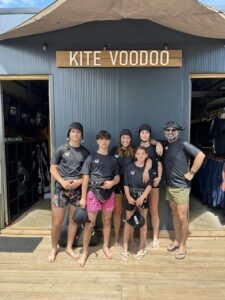
VANIA TEAM KITEVOODOO KITESURF SCHOOL PORTUGAL

To mitigate these dangers, it’s crucial for kitesurfers to:

  • Take lessons from certified instructors.
  • Follow safety guidelines and rules.
  • Use well-maintained equipment.
  • Be aware of weather conditions.
  • Progress gradually based on skill level.
  • Wear appropriate safety gear.

By being mindful of these risks and adopting safe practices, kitesurfers can enjoy the sport with reduced chances of accidents or injuries.

9.CAN I TEACH MYSELF HOW TO KITESURF?

While it’s technically possible to try to teach yourself how to kitesurf, it is strongly discouraged and considered unsafe. Kitesurfing involves handling powerful equipment, understanding wind dynamics, and mastering specific techniques for both kite control and board riding. Without proper guidance, attempting to learn kitesurfing on your own can lead to serious safety risks and complications. Here are several reasons why self-teaching is not recommended:

  1. Safety Concerns:

    • Kitesurfing involves powerful kites that can generate significant pull. Without proper instruction, you may struggle to control the kite, leading to accidents, injuries, or collisions.
  2. Risk of Uncontrolled Kite Movement:

    • Lack of experience in controlling the kite can result in unpredictable movements, making it challenging to navigate safely. An uncontrolled kite can cause harm to yourself and others.
  3. Equipment Handling:

    • Properly rigging and handling kitesurfing equipment requires specific knowledge. Incorrect setup or misuse of equipment can lead to accidents, equipment damage, or failure.
  4. Understanding Wind Conditions:

    • Kitesurfing is highly dependent on wind conditions. Without proper training, you may struggle to assess wind patterns, increasing the risk of being caught in challenging situations.
  5. Lack of Emergency Response Skills:

    • Knowing how to perform self-rescue and respond to emergency situations is crucial in kitesurfing. Without proper instruction, you may not be prepared to handle unexpected challenges.
  6. Difficulty in Board Riding:

    • Learning to ride the board and navigate the water is a skill that requires guidance. Attempting to do so without proper instruction can result in frustration and limited progress.
  7. Legal and Environmental Considerations:

    • Many kitesurfing locations have specific rules and regulations. Ignoring these guidelines may not only compromise your safety but also lead to legal consequences and impact the environment.
  8. Progression Challenges:

    • Kitesurfing involves a progression from basic skills to more advanced maneuvers. Attempting to skip foundational steps can hinder your overall development as a kitesurfer.

To learn kitesurfing safely and effectively, it is highly recommended to take lessons from certified instructors at reputable kitesurfing schools. Professional instruction ensures that you acquire the necessary skills, knowledge, and safety practices to enjoy the sport with confidence. Kitesurfing schools provide a structured learning environment, hands-on experience, and guidance tailored to your skill level, significantly reducing the risks associated with self-teaching.

10. WHY IS KITESURFING SO ADDICTIVE?

Kitesurfing is often described as addictive for a variety of reasons, combining the thrill of the sport with other physical and psychological factors. Here are some reasons why kitesurfing can become highly addictive:

  1. Adrenaline Rush:

    • Kitesurfing provides an intense adrenaline rush, especially during high-speed rides, jumps, and maneuvers. The combination of wind, water, and the sensation of gliding over waves creates an exhilarating experience that many find addictive.
  2. Sense of Freedom:

    • The feeling of harnessing the power of the wind and being propelled across the water gives kitesurfers a unique sense of freedom. The ability to explore vast stretches of open water adds to the allure of the sport.
  3. Connection with Nature:

    • Kitesurfing takes place in natural environments like oceans and lakes, providing a close connection with nature. The constant interaction with the elements, such as wind and water, contributes to a profound and addictive experience.
  4. Constant Learning Curve:

    • Kitesurfing has a steep learning curve, and there’s always something new to master or improve upon. The challenge of progressing through different skill levels and learning new maneuvers keeps enthusiasts engaged and motivated.
  5. Social Aspect:

    • Kitesurfing often creates a strong sense of community. Being part of a community that shares a passion for the sport, exchanging tips, and sharing experiences can enhance the overall enjoyment and contribute to the addictive nature of kitesurfing.
  6. Varied Conditions:

    • Kitesurfing can be adapted to various conditions, from calm, flat-water locations to challenging, wave-rich environments. The ability to experience different conditions and adapt the sport to one’s preferences adds variety and excitement.
  7. Mindfulness and Focus:

    • Kitesurfing requires a high level of focus and mindfulness. The need to concentrate on kite control, board riding, and environmental factors can provide a meditative and absorbing experience, contributing to the addictive nature.
  8. Physical Fitness and Well-Being:

    • Kitesurfing is a full-body workout that engages muscles and improves cardiovascular fitness. The positive impact on physical health, combined with the satisfaction of progressing in the sport, can contribute to addiction.
  9. Travel Opportunities:

    • Kitesurfing can take enthusiasts to beautiful locations around the world. The prospect of exploring new destinations and experiencing different kiteboarding conditions adds an element of adventure that many find irresistible.
  10. Unique Sensations:

    • The unique sensation of riding on the water, being lifted into the air during jumps, and experiencing the power of the kite creates a sensory experience that is hard to replicate in other sports.
kitesurf school Portugal

The combination of these factors makes kitesurfing a highly addictive and rewarding activity for those who embrace the sport.

The constant pursuit of improvement, the thrill of the ride, and the sense of community all contribute to the magic of kitesurfing.

Ready to take your kitesurfing skills to the next level?

BEST KITESURFING SPOTS IN EUROPE

Top 10 kitesurfing spots in europe - KiteVoodoo - Ozone kites

We explored every corner of this incredible continent, embarking on a thrilling quest to find the best kitesurfing spots in Europe. And now, we’re bursting with excitement to tell you all about these hidden gems!

Europe is a treasure of kite and wing spots, yet only a hand full have truly met our high expectations. These places boast outstanding conditions, wind statistics that’ll make your heart race, pristine sandy shores, with a mix of flatwater and waves. Whether you’re in pursuit of a tranquil sandy haven, shallow lagoons, adrenaline-pumping wave breaks, or tranquil flatwater, our ultimate guide has it all!

Your only mission? Selecting your dream spot, and we guarantee, it’s waiting for you!

EUROPE TOP 10 KITE & WING SPOTS

1. Viana do Castelo, PORTUGAL

temp.

Air 15-30ºc Water 16-22ºC

spot

Flat
Chop
waves

wind

15-30kn

Season

March-Sept

Kite size

5m-12m

Best air temperature, water temperature, wind direction, best kitesurfing spot in Portugal near Porto, Viana do Castelo, praia do Cabedelo, kitesurfing school - KiteVoodoo

Our guide “The best kitesurfing spots in Europe” has to start with our favorite!

At the western edge of Europe, facing the Atlantic Ocean, you’ll find Portugal. The entire country is a water sport haven with beautiful windy beaches all along its coast line, check out our article about the 10 best kitesurfing spots in Portugal!  

But Portugal’s kitesurfing treasure is without doubt the spot “Praia do Cabedelo” in the iconic town “Viana do Castelo”, best spot of Portugal. Easy to access, the city is located right next to the vibrant city of Porto, just a quick 45-minute drive. 

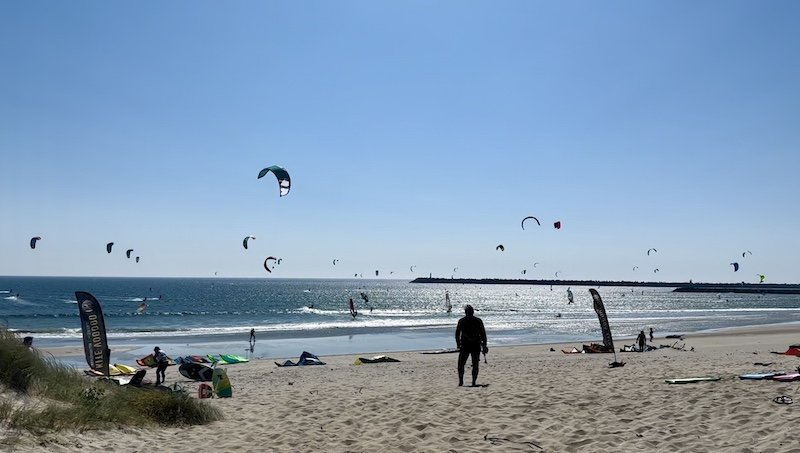
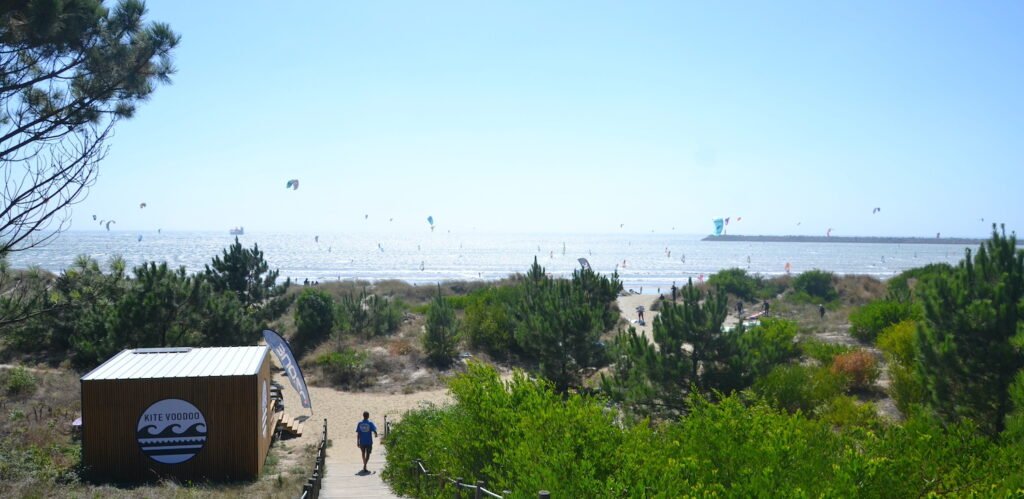
Our attention was quickly taken to this spot as soon as we discovered it! In fact, this beach is the windiest of Portugal and in one place you can find a great diversity of conditions, form flat water to small and bigger waves. And all of that on a stunning stretch of sandy beach ! 

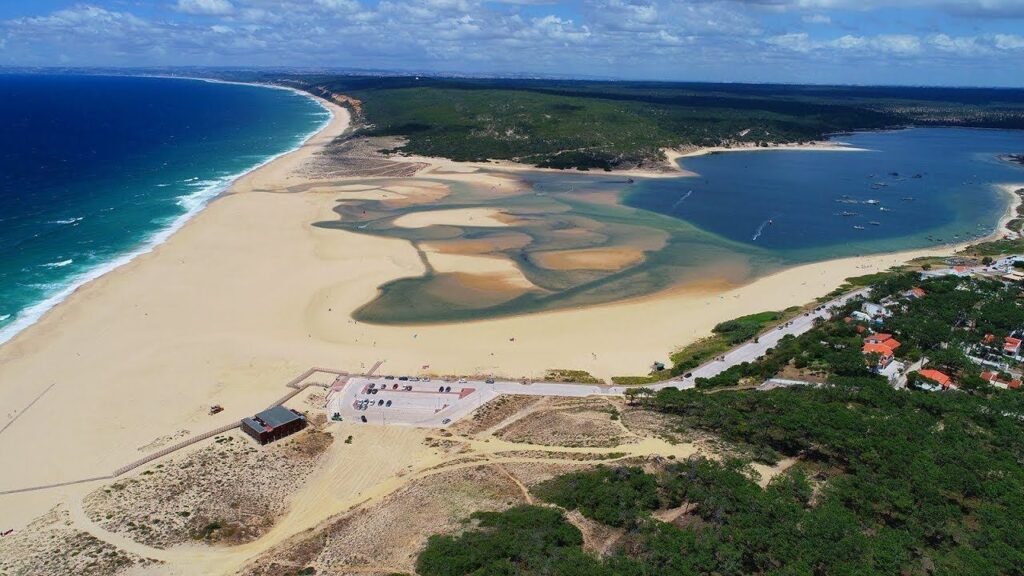
The flat zone is upwind, protected by a pier, perfect for beginners or students. Then you’ll find a small waves area and further downwind the waves gets bigger and promise super fun kitesurfing sessions.

About the wind, here’s the inside scoop: From May to October, the Nortada wind sweeps along the Portuguese coast, plus Viana do Castelo benefits from an additional local thermal wind. Thanks to the Lima River and the lush hills that surround the area, this local wind kicks the breeze up, making it the windiest spot in all of Portugal. Picture an average of 20-30 knots—kitesurfers’ paradise!

This is a perfect location for beginners to start learning kitesurf or wing as you can find several school along the beach. Also great spot to for foiling, wave riding and big air,  you will find easily all the gear you wish.

Viana do Castelo isn’t just a top kitesurfing destination; it’s also a beautiful, authentic, and vibrant city. You’ll find many activities and sights to explore, whether you’re unwinding after an epic kitesurfing session or on those rare windless days. Also, Viana boasts delectable cuisine (read our article about the best restaurants in Viana), bars, skate parks, wakeboarding facilities, scenic bike rides, picturesque walking trails and numerous cultural attractions. 

Consistent and strong wind, variety in conditions, plus a lot of extra activities and culture, all under the portuguese sun, this spot has it all, and so caters to all tastes and interests, offering the perfect blend of adventure and culture.

More info on the official portuguese tourism web site:…Click here…

2. Naxos, GREECE

temp.

Air 20-40ºc Water 21+ºC

spot

Flat
Chop

wind

12-25kn

Season

Mai-Sept

Kite size

7m-15m

1 of the 10 best European kite spots NAXOS - KiteVoodoo

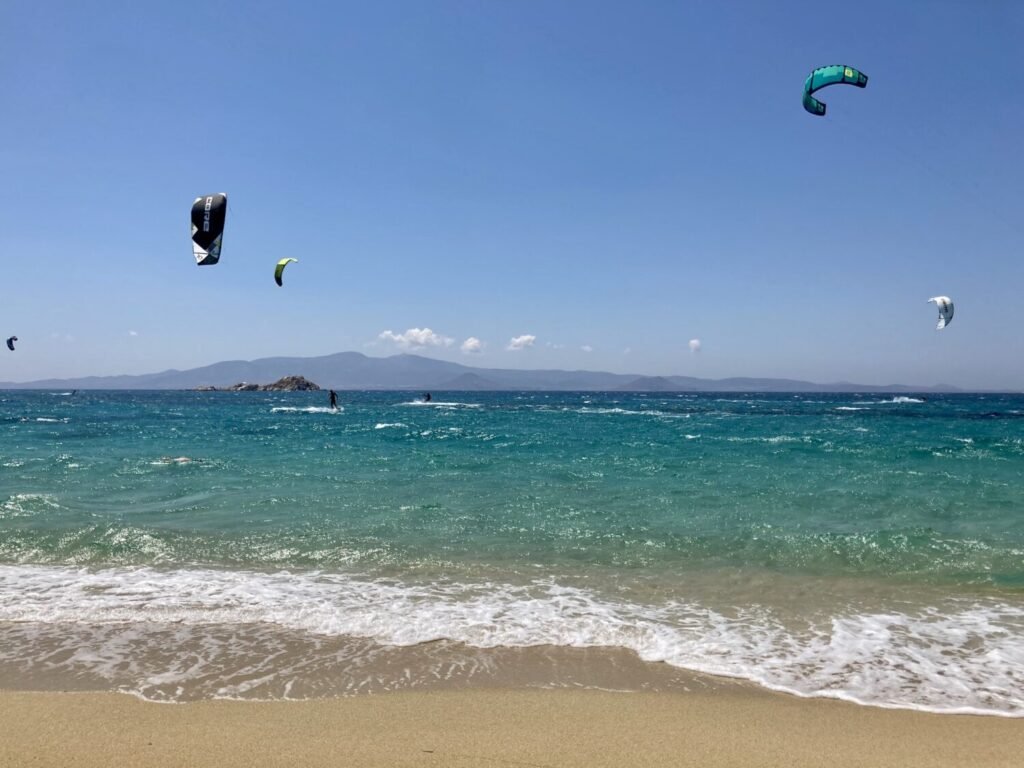
Naxos, the crown jewel of the Cyclades, is where kitesurfing dreams become reality and takes our 2nd position in out Best Kitesurfing Spots in Europe guide. Thew kite spot with its promise of endless kitesurfing adventures in the heart of Greece, that leaves seasoned riders and beginners amazed is Mikri Vigla.

The sunny days on this island are your playground, with hot weather and turquoise clear waters, perfect for long kite sessions without wetsuit during summer. But what truly sets Mirki Vigla apart is the legendary Meltemi wind, strong, reliable and strengthen by the big venturi effect created between Paros and Naxos. It blows from May to September, across the Aegean sea, bringing you amazing time on the flat water paradise of Naxos island.

Yes, you read it right—flatwater. Mirki Vigla boasts a kite spot with a soft sandy bottom and pristine waters, offering the ultimate playground. Whether you’re just starting your kitesurfing journey or a seasoned pro looking to master new tricks. You will find many kite schools restaurants to fullfill your kitesurfing holiday!.

Yet, there’s so much more to Naxos than kitesurfing. There are many beautiful beaches shettled from the wind just around the corner from Mikri Vigla kite beach, perfect for families. Plus delight your taste buds with exquisite Greek cuisine at the local taverna, explore the rich local culture and immerse yourself in the island’s captivating traditions.

3. Punta trettu, SARDAIGNIA

temp.

Air 20-40ºc Water 21+ºC

spot

Flat
Chop

wind

12-25kn

Season

Oct-April

Kite size

7m-15m

1 of the beste kitesurfing spots in europe - KiteVoodoo

Sardinia, the captivating island of endless adventure holds, the 3rd place of best kitesurfing spots in Europe, and the key to a kitesurfing paradise in the heart of the Mediterranean.

From the northern shores to the southern tip, this Italian island offers an astonishing blend of hot weather, crystalline turquoise waters, strong and reliable winds, and a mix of flatwater and wave spots especially from October to April. 

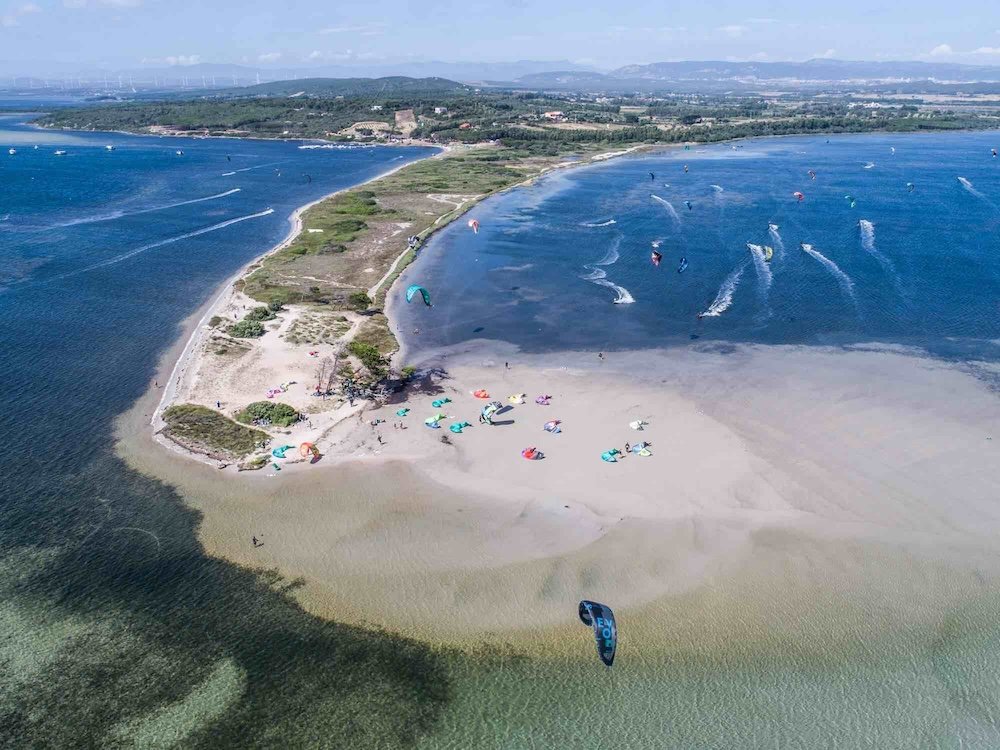
We focus on Punta Trettu a hidden kitesurfing gem in the southern most part of Sardinia. The hot Sardinian sun meets the azure waters, while the consistent Mistral wind takes you on a thrilling ride. Punta Trettu’s flatwater conditions are perfect for honing your kitesurfing skills, making it an excellent spot for both beginners and pro riders. Located in a natural reserve, camping is not autorized directly on the spot. 

As you explore this pristine corner of Sardinia, don’t forget to savor the island’s remarkable cuisine and immerse yourself in its rich culture.

Sardinia is more than a kitesurfing destination; it’s a journey through a world of breathtaking landscapes, mouthwatering flavors, and vibrant traditions.


4. Wissant, FRANCE

temp.

Air 6-40ºc Water 12-20ºC

spot

Chop
waves

wind

15-40kn

Season

Sept-March

Kite size

7m-12m

1 of the top 10 kitesurf spots in EU

Welcome to Wissant, a thrilling kitesurfing spot on the picturesque Côte d’Opale in France. This enchanting coastal spot boasts not only breathtaking beauty but also a reliable wind that’s renowned for delivering exceptional kitesurfing moments.

Wind in Wissant is powered by a unique meteorological phenomenon known as the “Ventury Effect.” It occurs due to the natural funneling of wind between France and England, creating a wind corridor. The wind here is strong and consistently reliable, with side to side-on shore wind direction, making it a true gem for riders of all levels.

This beach is a stunning stretch of fine golden sand that runs for miles with cliffs in the background. You will find ample space for launching, landing, and practicing your kite skills. The wide sandy expanse ensures that even on busy days, there’s enough room for everyone to enjoy their kitesurfing adventures without feeling crowded.

In Wissant, you’ll find not just a kitesurfing spot, but a thrilling, wind-powered playground where adventure knows no bounds. For these reasons it is 4th in our guide “best kitesurfing in Europe. So, harness the wind, ride the waves, and embrace the excitement that awaits on the shores of Wissant. As if the strong and reliable wind and wide sandy beach weren’t enough, Wissant is further enhanced by its breathtaking backdrop. The iconic cliffs of Cap Gris-Nez and Cap Blanc-Nez provide a stunning and dramatic landscape, making every kitesurfing session a visual masterpiece.

5. Grado, ITALIE

temp.

Air 15-40ºc Water 18-25ºC

spot

Flat
Chop

wind

15-40kn

Season

Mar-Nov

Kite size

7m-12m

Welcome to Italy’s best-kept kitesurfing secret, a hidden gem that’s a paradise for kite enthusiasts. Grado, located on the country’s northeastern coast, has strong and reliable wind, and became a magnet for riders.

Grado’s unique geographic location adds to its allure. Nestled between the sea and the Marano lagoon, kitesurfers have the luxury of choosing between flatwater or wave riding. This lagoon, protected from the open sea, offers flat and shallow water, opening different kitesurfing opportunities.

This kitesurfing spot’s reputation is built on one key element: the wind. The Adriatic Sea provides consistent, strong and reliable wind conditions, making it an ideal destination for riders of all levels. The prevailing wind, known as the “Bora,” typically ranges from 15 to 25 knots. It sweeps down from the northeastern Alps, creating a reliable breeze that enthusiasts can count on almost daily during the kitesurfing season, which stretches from April to September.

This pristine sandy beach stretch is nothing short of perfect for kitesurfing. Its wide shoreline not only allows for easy launching and landing but also offers ample space for practicing your kite skills. The shallow waters near the shore provide a safe and beginner-friendly environment, while further out, the waters deepen to provide thrilling rides for more advanced riders. The flatwater conditions are excellent for freestyle moves and cruising, ensuring that Grado caters to a diverse range of kitesurfing interests.

6. Kloster, DENMARK

temp.

Air 6-20ºc Water 10-18ºC

spot

Flat
Chop

wind

10-30kn

Season

May-Sept

Kite size

7m-12m

1 of the best kitesurfing spots in europe - KiteVoodoo

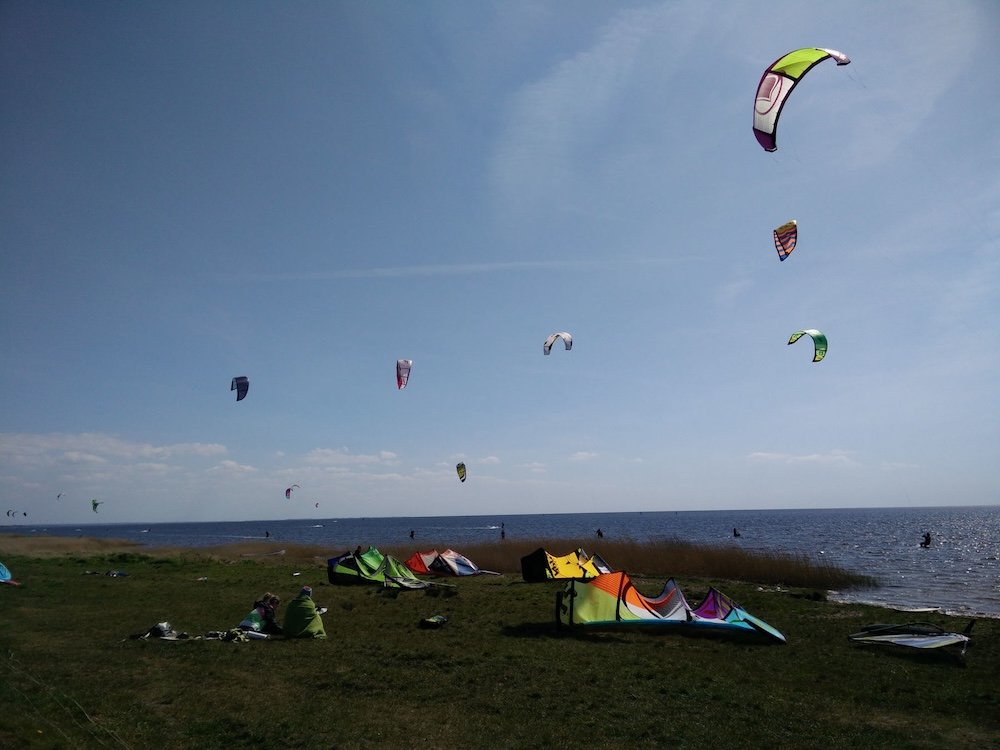
Nestled along the stunning North Sea coastline, discover “Kloster” located in Denmark (5th position  in our guide “best kitesurfing spots in Europe.), is a kitesurfer’s delight that seamlessly blends consistent winds, dynamic wave conditions, and the enchanting allure of Scandinavian culture. This coastal gem attracts riders year-round, with the prime kitesurfing season unfolding from May to September.

Kloster has rightfully earned its place in our guide of the best kitesurfing spots in Europe, thanks to its consistent and exhilarating winds. The prevailing “North Sea Breeze” originates from the northwest and typically blows between 15 to 25 knots. you’ll find perfect flat water on the lagoon but also dynamic wave conditions and scenic coastal beauty

Your kitesurfing experience will be enriched by its picturesque coastal setting. The North Sea, with its azure waters and waves. Close to the shore, beginners can refine their skills in the calm waters, while the more adventurous can venture further out to challenge themselves with larger swells. While Kloster offers a stunning natural setting for kitesurfing, it’s crucial to note that camping directly at the kitespot is strictly prohibited. The area is designated as a natural reserve, and local regulations prohibit camping to safeguard the delicate coastal ecosystem.

Better be prepared for varied water temperatures. As the water temperature in Kloster varies seasonally, ranging from 10°C to 18°C. As such, wearing wetsuits is essential for a comfortable kitesurfing experience.

7. El Médano, TENERIFE

temp.

Air 21-40ºc Water 21-26ºC

spot

Chop
Waves

wind

10-35kn

Season

May-Sept

Kite size

5m-14m

1 of the best kitesurfing spots in europe - KiteVoodoo

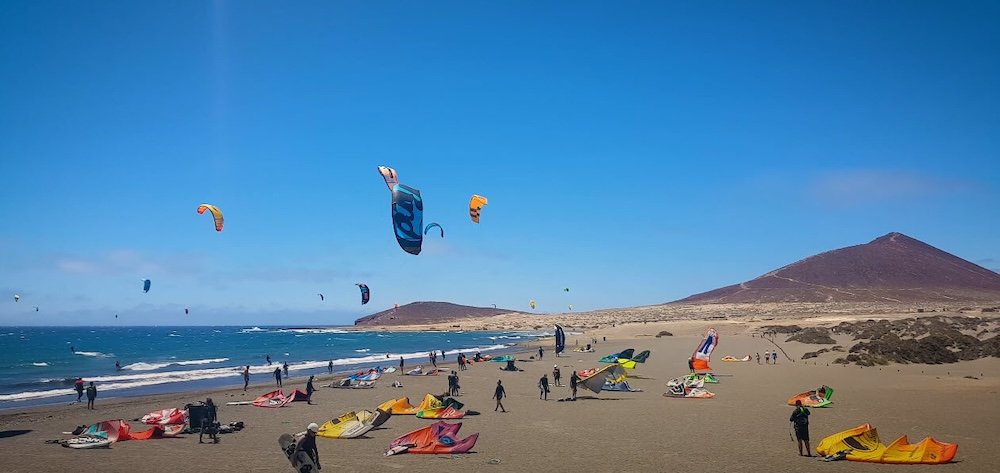
Welcome to Tenerife, known for its stunning landscapes, diverse climates, and captivating culture, this vibrant Spanish island has also gained recognition as a top kitesurfing destination.

El Médano is the kitesurfing jewel of Tenerife. If you’re seeking an exhilarating kitesurfing experience amidst stunning landscapes and a vibrant island atmosphere, this is the place to be.

El Médano’s kitesurfing reputation is firmly rooted in its wind conditions, robust and dependable all year round. The island benefits from two primary wind patterns: the trade winds and the local thermic winds. The northeastern trade winds provide a consistent breeze, with wind speeds typically ranging from 15 to 30 knots, plus the thermic effect further enhance the wind speed, creating a great windy spot.

Its exceptional wind statistics are the envy of kitesurfers worldwide. With approximately 80% of windy days throughout the year, you’re almost guaranteed to indulge in your kitesurfing passion whenever you visit. El Médano’s beaches are a kitesurfer’s paradise. The long sandy shores are perfect for launching, landing, and honing your kite skills. The waters near the shore are shallow and safe, making it an excellent spot for beginners to learn. Further out, the conditions become more challenging, catering to advanced riders seeking exciting wave riding opportunities. El Médano is known for its “Playa de Leocadio Machado,” where the flatwater offers a fantastic platform for freestyle moves and cruising.

8. Brouwersdam, NETHERLANDS

temp.

Air 6-20ºc Water 10-18ºC

spot

Chop
Waves

wind

8-40kn

Season

Apr-May
Sept-Oct

Kite size

7m-17m

Brouwersdam top 10 kitesurfing spots europe

Brouwersdam, nestled along the stunning coastline of Zeeland in the Netherlands, is another kitesurfing paradise on our top Europe kitesurfing spots. With its picturesque landscapes, ideal wind conditions, and a vibrant kitesurfing community.

With prevailing southwesterly winds that sweep in from the North Sea, riders can count on steady breezes throughout the year. The wind speed typically ranges from 15 to 30 knots, creating the perfect environment for kitesurfing.

The kitesurfing season runs from April to October, making this spot a magnet for riders during these months. However, even during the off-season, dedicated kitesurfers can still enjoy the thrill of the sport thanks to the consistent wind patterns.

Given the North Sea’s cooler temperatures, it’s advisable to wear a wetsuit for comfortable riding. The water temperatures can range from 12°C to 20°C, depending on the season. Brouwersdam’s sandy bottom and gradual depth increase make it particularly friendly for beginners, while experienced riders can relish in the occasional rolling waves that offer opportunities for impressive tricks and jumps.


9. Brandon Bay's, IRLAND

temp.

Air 6-20ºc Water 10-18ºC

spot

Chop
Waves

wind

8-40kn

Season

Oct-Apr

Kite size

7m-17m

Welcome to Ireland’s hidden kitesurfing gem, where the rugged beauty of the Wild Atlantic Way meets the thrill of kitesurfing adventures. In the heart of County Kerry, you’ll discover one of the most exciting kitesurfing spots in Ireland and in our selection of best kitesurfing spots in Europe—Brandon Bay.

Brandon Bay’s kitesurfing prowess is driven by its strong and reliable wind, which ensures an unforgettable experience for riders of all levels. Located along the Wild Atlantic Way, this bay benefits from consistent westerly winds that are perfect for kitesurfing. The wind here typically ranges from 15 to 30 knots, making it a reliable destination for windseekers. With its constant and steady airflow, Brandon Bay promises a kitesurfing session like no other.

The Waves, one of the highlights of kitesurfing in Brandon Bay is the opportunity to ride thrilling waves. The bay is exposed to the mighty Atlantic Ocean, which means it boasts a wide variety of wave conditions. From small to massive, there’s something for every wave rider here. Whether you’re an experienced kitesurfer looking to conquer big waves or a beginner eager to get your feet wet, Brandon Bay has it all.

As you harness the wind and take on the waves in Brandon Bay, you’ll quickly realize that this destination is more than just a spot—it’s a kitesurfing adventure that’s enriched by the warmth of the people and the wild beauty of the Irish coast. Whether you’re a kitesurfing pro or just starting your journey, Brandon Bay invites you to experience the thrill of kitesurfing in an enchanting Irish setting. It’s a place where adventure meets warm hospitality, and memories are made to last a lifetime.

10. Acores

temp.

Air 15-25ºc Water 10-20ºC

spot

Chop
Waves

wind

15-25kn

Season

Apr-Sept

Kite size

7m-17m

Acores top 10 kitesurfing spot - KiteVoodoo

Welcome to the enchanting Azores, a paradise for kitesurfers tucked away in the middle of the Atlantic Ocean. This archipelago of nine volcanic islands is a kitesurfing haven waiting to be explored. With its ever-changing weather conditions, riders here need to be flexible and adventurous. But rest assured, this unpredictability is part of the charm.

The Azores are blessed with strong and reliable wind patterns that make it a dream destination for kitesurfers. The Azorean High, a subtropical high-pressure system, dominates the weather here, bringing consistent trade winds to the islands. These trade winds provide a steady breeze that ranges from 15 to 25 knots, creating excellent kitesurfing conditions. However, be prepared for a bit of wind variation from island to island, which adds an exciting twist to your adventure.

This place when the conditions allow it has it all, flatwater and also fantastic waves. Due to the archipelago’s exposed location in the middle of the Atlantic, you’ll encounter a wide range of wave conditions, from gentle to challenging. Experienced wave riders will particularly appreciate the versatility that the Azores provide, ensuring every kitesurfing session is an adventure.

Given the varying wind conditions between the islands and the need to chase the best conditions, many riders in the Azores opt for boat adventures. Chartering a boat allows you to explore different kitesurfing spots around the islands, ensuring you always find the perfect conditions. The archipelago’s unique geography and its beautiful coastline make boat trips a fantastic way to experience the Azores from a different perspective.

As you embark on your kitesurfing adventure in the Azores, you’ll soon discover that this destination is more than just a spot—it’s an ever-changing, thrilling experience. From the strong and reliable winds to the diverse wave conditions and the warm-hearted locals, the Azores is an island paradise where kitesurfers can truly find their element. Be prepared to chase the wind, ride the waves, and embrace the adventure that awaits in the heart of the Atlantic.

KiteVoodoo´s favourite best kitesurfing spots in Europe

Our favourite kitesurfing spot out of this Top 10 European spots is without doubt “Viana do Castelo in Portugal” mainly for the quality and variety of the spot.

We hope this colorful mix of amazing spots will make you want to add some to your kitesurf bucket list!

Click here to discover: The 10 best kitesurfing spots in Portugal

THE 10 BEST KITESURFING SPOTS IN PORTUGAL

THE BEST KITESURFING SPOTS IN PORTUGAL

10 BEST KITESURFING LOCATIONS IN PORTUGAL

1. VIANA DO CASTELO

Season

Mar - Oct.

Temp.

15ºC - 30ºC

Wind

12kn - 35kn

cond.

Flat & Waves

We must start this guide of “BEST KITESURFING SPOTS IN PORTUGAL” with the iconic city “Viana do Castelo” located at the northern part of Portugal, next to Porto, where you’ll discover one of the best kitesurfing spots in Portugal. Situated on the picturesque long sandy beach and a quick drive from Porto and its international airport, this spot is incredibly accessible.

Here’s the scoop: The Nortada wind sweeps along the Portuguese coast from May to October, and in Viana, there’s an additional local thermal wind, thanks to the proximity of the Lima River and the lush hills that surround the area. This local wind amps up the strength of the breeze, making it the windiest spot in Portugal, with an average of 20-30 knots.

The spot features a long sandy beach, with one side sheltered from the Atlantic swell by a pier, offering a flat water area, perfect for beginners & the other side of the beach, offers medium to head-sized waves. This makes the spot a paradise for kiteboarding, kitesurfing, foiling, winging, and surf – suitable for everyone from beginners to pros!

Viana also offers many other activities for non-kitesurfers, good food, bars, skate parks, wake parks, bike rides, walking trails, a variety of water sports facilities, and many cultural visits. It’s the perfect blend of adventure and culture!

Check out more info about the spot and kitesurf school in Viana do castelo here.

BEGINNER
SHALLOW WATER
FREE RIDE / BIG AIR
WAVES
FOIL

2. ESPOSENDE

Season

Sept - Feb

Temp.

11ºC - 18ºC

Wind

12kn - 25kn

cond.

Flat
& Waves

Discover one of the 10 best kitesurfing spots in Portugal, amazing country for unforgetable kite holidays

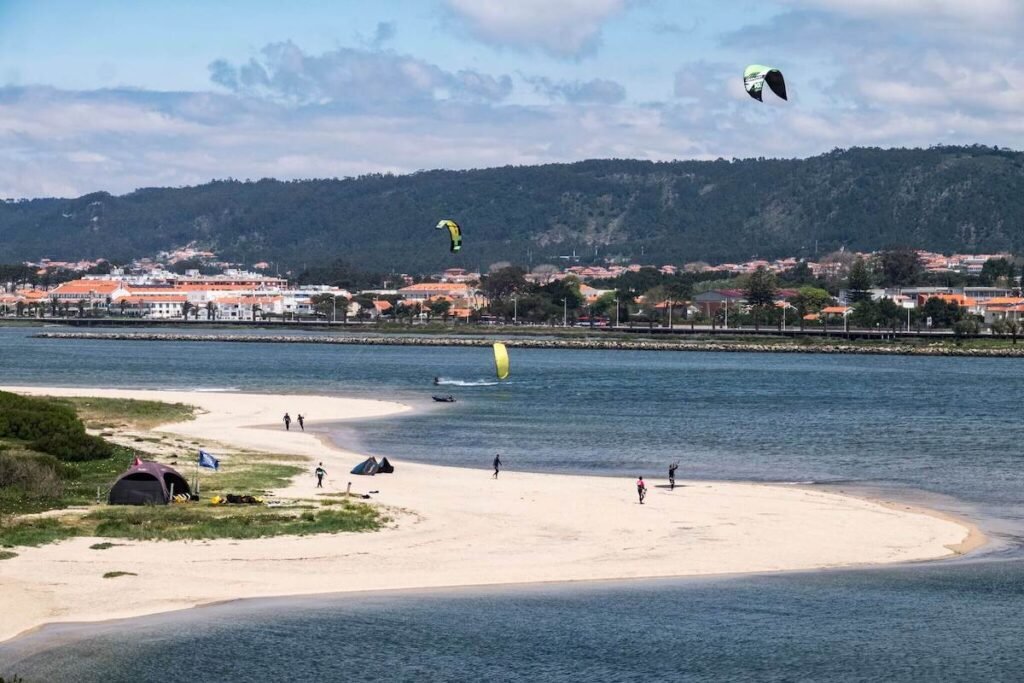
Esposende is located just south from Viana do Castelo. It boasts a perfect flat water lagoon, a rivermouth, and thrilling open ocean rides. This spot is nestled in the Cávado river delta, and while the northern wind may not be as vigorous as in Viana do Castelo, the south wind is your go-to option, especially for those super windy days in Cabedelo.

It´s lagoon, has a soft sandy bottom and shallow waters, it is a secure playground suitable for both beginners and more advanced kiters looking to master new tricks. But wait, there’s more! If you’re in the mood for some waves, just make your way to the ocean. The open beach, with its gentle sand dunes and absence of rocks, offers a safe environment. While the swells are more pronounced in spring and autumn, making it a magnet for intermediate and advanced surfers eager to ride the waves.

Getting to this kite beach is an adventure in itself. You can opt to cross the estuary by boat (many kite schools offer boat transfer services from the pier to get you to the beach), or you can embark on a roughly 2-kilometer walk to reach it. It’s all part of the kitesurfing experience, offering a variety of conditions and adventures to enjoy

BEGINNER
SHALLOW WATER
FREE RIDE / BIG AIR
WAVES
FOIL

3. MURTOSA

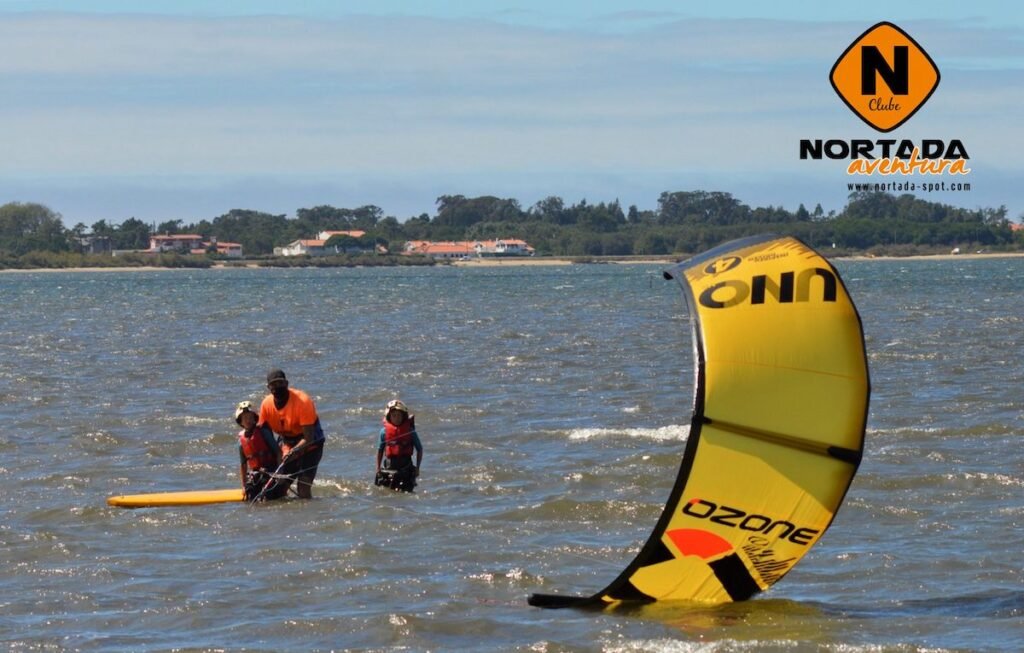
This is still a secret spot mainly knowned by the locals and must be on our best kitesurfing spots of Portugal! Murtosa, known as the green Venice, is located next to Aveiro, this is a reliable windy and flat water spot! This place is also known for its strong wind, with all year round riding conditions, perfect for kitesurf beginners and big-air enthusiasts ! Here you will find Club Nortada directly located open the spot with parking, camp ground, setup area and Adriano will for sure be able to give you all the best tips! This location is were the Portugese kitesurfing instructors are trained and passe there exams.

Discover Murtosa, one of the 10 Best spots in Portugal, amazing country for Kitesurfing holidays

Season

April - Oct

Temp.

11ºC - 30ºC

Wind

12kn - 25kn

cond.

Flat

BEGINNER
SHALLOW WATER
FREE RIDE / BIG AIR
WAVES
FOIL

4. OBIDOS LAGOON

Season

April - Sept

Temp.

8ºC - 25ºC

Wind

12kn - 20kn

cond.

Flat
Chop

BEST KITESURFING SPOTS IN PORTUGAL

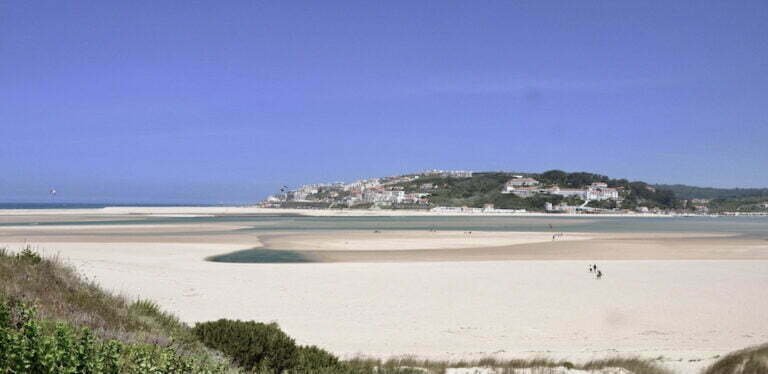
The Lagoon of Obidos is home to the largest saltwater lagoon in Portugal, and it’s a beautiful! The lagoon boasts shallow water, waist-deep that are typically flat, occasionally offering a bit of chop. The wind is rather light so remember to bring your bigger kites (12 \ 14 m + size).

This spot is located 1h30 from Lisbon. The nature around the lagoon of Obidos is luxuriant with many other activities to enjoy on no windy activities days.

The lagoon can be divided into 2 areas. The first area is the estuary, the most beautiful part. This spot has two sides one is Bom Successo beach, located on the south (best side to ride, more untouched, very wide beach, best wind orientation and a cool café) and the other side, northern part is located Foz de Arelho (with big camper parking and a few restaurants).

Be aware while the conditions are excellent during the summer, you wont be allowed to ride on the sandy side of the lagoon facing the ocean (estuary) but you’ll rather have to go further inland where kitesurfing is tolarated. Be carful there with little cactus growing all around the kite area and the beach is stony with sharp shells so bring shoe!!

BEGINNER
SHALLOW WATER
FREE RIDE / BIG AIR
WAVES
FOIL

5. PENICHE

Season

April - Oct

Temp.

8ºC - 35ºC

Wind

12kn - 20kn

cond.

waves

Decouvre un des 10 meilleurs spot de kite au Portugal avec KiteVoodoo

Peniche is the ultimate surfers’ paradise, and the famous “Supertubos” is the go-to spot here. No matter which way the waves are rolling or the wind is blowing, Peniche has got you covered with its variety of beaches. When the northwest wind cranks up to over 15 knots at Óbidos Lagoon, you’re in for some awesome wave action in Peniche.

The big bay between Peniche town and Baleal is the main hub for catching waves. It’s a safe and super easy spot to get to with loads of accessible accommodation options. Plus, there are some cool beach bars nearby where you can chill and enjoy a nice cold superbock after your epic surf session.

Just ten minutes drive south of the bay, you’ll hit Supertubos with its powerful waves. This spot is not for the faint of heart – it’s not a beginners spot and more surf experts orientated. You’ll need to be a confident kitesurfer with mad skills because the waves are powerful and the wind is side to side-off shore!

BEGINNER
SHALLOW WATER
FREE RIDE / BIG AIR
WAVES
FOIL

6. PRAIA DO GINCHO

Season

April - Oct

Temp.

10ºC - 35ºC

Wind

12kn - 40kn

cond.

waves
Chop

Kitevoodoo kitesurf spot portugal

The famous spot “Praia do Guincho”, in Cascais, has to be in our guide of best kitesurfing spots in Portugal. It is renowned for having strong and reliable wind. Count on it being windy, especially when other spots in Portugal may not be. This is why it is one of the best kitesurfing spot of in Portugal, but remember it´s not the easiest! Recommended for experienced kitesurfers.

The Nortada wind gradually gains strength throughout the day, often reaching strong wind speeds of up to 40 knots+ on summer afternoons. Its proximity to Lisbon, just half an hour away by car or public transport, makes it a popular spot. However, the beach is expansive, and the community is respectful, ensuring there’s enough room to safely launch your kite.

Kitesurfing season at Guincho spans from April to October, with July and August standing out as the prime months. Guincho is exposed to northwest swells, so you can expect some decent waves (1-3 meters) on bigger days. The prevailing wind direction is sideshore.

In terms of weather, Guincho is slightly cooler compared to other spots in Portugal, with a maximum air temperature of around 28°C. The water remains on the chilly side year-round, ranging from 11-19°C.

It’s a destination where you can enjoy consistent winds and waves against the backdrop of a slightly cooler climat. 

You will find many restaurants and shops on this spot.

BEGINNER
SHALLOW WATER
FREE RIDE / BIG AIR
WAVES
FOIL

7. COSTA DE CAPARICA

Season

April - Oct

Temp.

15ºC - 40ºC

Wind

12kn - 25kn

cond.

Waves
Chop

BEST KITESURFING SPOTS IN PORTUGAL

Costa de Caparica serves as Lisbon’s go-to kitesurfing spot. It’s a sandy beach with a shore break, and the water conditions can range from choppy to wavy. The wind here is typically on the lighter side, though you may get lucky with some stronger days, check the forecast before planning your kite session.

During the high season, it can get quite crowded. However, in Fonte da Telha, a sandy beach close by, you’ll find smaller waves that are ideal for both beginners and more advanced riders. Surprisingly, this spot remains relatively uncrowded, making it a hidden gem just a stone’s throw from Lisbon.

The prime kitesurfing season is from April through September, but kiting is a year-round possibility. In fact, this is one of the few places in Portugal where you can kitesurf during the winter months.

BEGINNER
SHALLOW WATER
FREE RIDE / BIG AIR
WAVES
FOIL

8. ALBUFEIRA LAGOON

Season

April - Oct

Temp.

15ºC - 40ºC

Wind

12kn - 25kn

cond.

Flat

Discover one of the 10 best bkitesurfing spots in Portugal with KiteVoodoo

Portugal’s coastline is like a treasure chest of kitesurfing spots, and one true gem is Lagoa de Albufeira, a stunning lagoon tucked away in Sesimbra. It’s a wind lover’s paradise, and what sets it apart is the perfect mix of a protected lagoon and the wide-open Atlantic, making it a dream come true for kitesurfers of all levels & located next Lisboa.

The wind at Lagoa de Albufeira is pretty much on point all year round, but the real sweet spot is from May to October. Why? Well, it’s all thanks to those trusty North to Northwest thermal winds that dominate the scene. The wind usually hovers between 15 to 20 knots, which is just right for pulling off freestyle moves and cruising along in freeride style.


BEGINNER
SHALLOW WATER
FREE RIDE / BIG AIR
WAVES
FOIL

9. ERICEIRA

Season

April - Oct

Temp.

15ºC - 35ºC

Wind

12kn - 30kn

cond.

Waves

Discover one of the best spot in Portugal, Ericeira with KiteVoodoo

Ericeira is a charming little fishing village, located 30 minutes by car from Guincho and 45 minutes from Lisbon.

Life here is the sweet everything in Ericeira feels tranquil. You’ll fall in love with its cobblestone streets, its promenade, its harbor, and the kindness of its residents. A must-try: the grilled octopus, a local specialty and a true delight.

For those who are passionate about riding the waves and want to combine kiteboarding and surfing, Ericeira is a small paradise. Just a 30-minute drive from Guincho, the town is surrounded by about ten world-renowned surf spots.

It’s a goldmine of waves, and the thermal winds blow just like in Cascais. However, be cautious about kiteboarding there: the majority of the beaches, nestled in the cliffs of the coast, are risky for launching and landing kites. We advise against practicing kiteboarding around Ericeira (unless!) We recommend choosing Guincho, which is safer.

BEGINNER
SHALLOW WATER
FREE RIDE / BIG AIR
WAVES
FOIL

10. ALVOR LAGOON

Season

April - Oct

Temp.

18ºC - 40ºC

Wind

12kn - 22kn

cond.

Flat

Discover one of the 10 best kitesurfing spots in Portugal and enjoy amazing kite holidays with KiteVoodoo

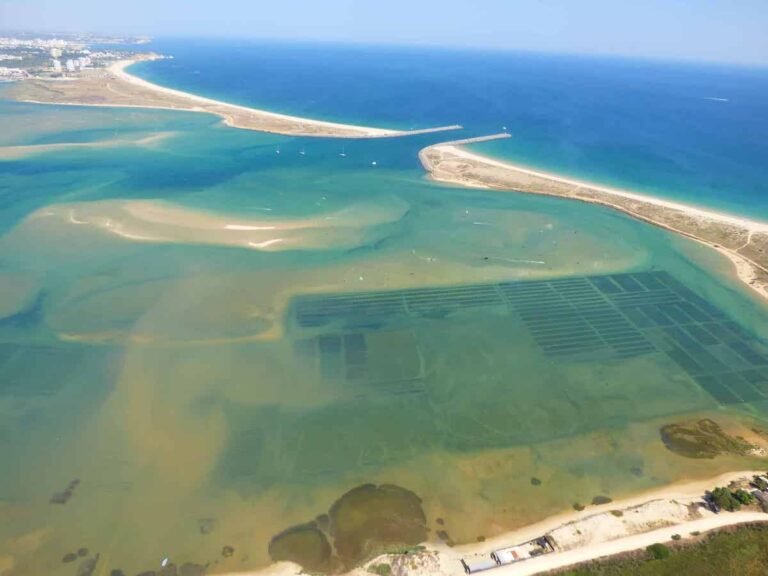
Southern Portugal boasts a variety of kitesurfing spots, and one of the most renowned is the Alvor Lagoon. Be aware the wind here tends to be very gusty and off-shore, not the safest for kitesurfing. This location offers flat, shallow waters, making it an excellent place to start learning kitesurfing. However, it’s worth noting that the beach here can be quite shelly, so wearing surf shoes is advisable.

The Nortada wind typically kicks in around 3 pm and hovers around 20 knots. It often blows onshore/side-onshore within the lagoon, but this landwind can be somewhat gusty. Situated between Lagos and Alvor, at the end of Meia Praia Beach, the Alvor Lagoon is considered the top kitesurfing spot in southern Portugal and one of the premier places to learn kiting in Europe.

The lagoon typically offers perfectly flat conditions thanks to the presence of sandbars, although there may be choppy water at the rivermouth. It provides good conditions with any wind direction and is particularly favorable for beginners around mid-tide. Most of the lagoon features waist-deep water.

Kitesurfing at the Alvor Lagoon is possible year-round, although the best conditions are typically found between May and October. The wind is at its strongest between June and August, making this a prime destination for kitesurfers looking for consistent and reliable wind.

BEGINNER
SHALLOW WATER
FREE RIDE / BIG AIR
WAVES
FOIL

Wind direction

Generally during summer months from April to October, the wind direction is NW-N-NE and in winter it becomes the opposite wind direction SW-S-SE.

Check  the wind forecast here.

(keep in mind that in Portugal, the forecast underestimate most of the time  the wind strengh due to the strong thermic effect)

Our favourite kite beach

For us our favourite kitesurf spot out of these 10 best spots is without doubt “Viana do Castelo” with its fabulous vibes and huge amount of windy days, what a playground!

Click here to read more about Kitesurfing in Portugal and in Viana do Castelo.

We hope you enjoyed our guide: TOP 10 KITESURFING SPOTS IN PORTUGAL & that this colorful mix of amazing spots will make you want to add some to your kitesurf bucket list!