
What to Expect from Your First Wing Foil Lesson in Portugal
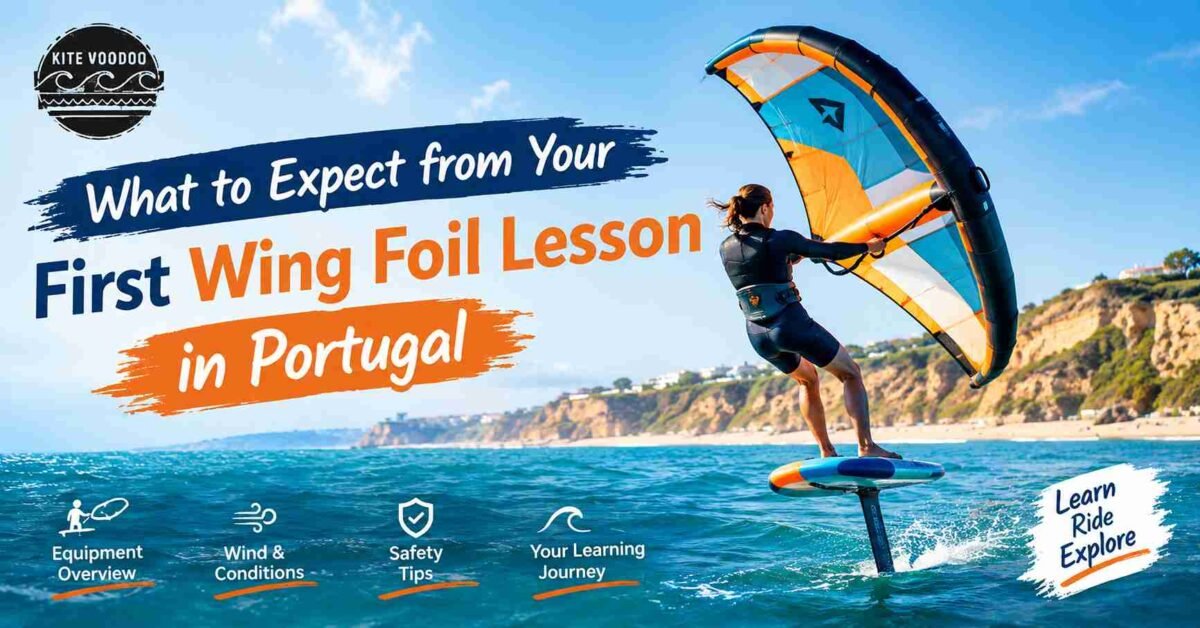
Portugal is known for its beautiful coastline and a variety of water sports activities. For beginners interested in learning wing foiling, understanding the learning process can make the first experience more comfortable and enjoyable.
A first wing foil lesson usually introduces students to the equipment, basic techniques, wind conditions, and water safety. Learning these fundamentals step by step helps beginners develop confidence and understand what is required to progress in the sport.
1. Preparing for Your First Lesson
Preparation is an important part of learning any new water sport. Before attending a lesson, beginners should understand the basic requirements and choose suitable clothing for the weather and water temperature.
A wetsuit is often useful because it helps maintain body warmth during longer sessions in the water. Sunscreen, drinking water, and a towel are also helpful items to bring.
It is important to follow the instructor’s advice about the equipment and conditions. Beginners should also inform their instructor about their swimming ability and previous experience with water sports.
Good preparation can make the learning process more comfortable and help students focus on developing new skills.
2. Understanding Wing Foiling Equipment
Before entering the water, beginners need to become familiar with the equipment used during a wing foil lesson.
Wing: The inflatable wing catches the wind and provides the power needed to move across the water.
Board: The board supports the rider. Beginners generally start with a larger board because it provides greater stability.
Hydrofoil: This equipment sits beneath the board and creates lift as water flows around its surfaces.
Safety Equipment: Depending on the conditions and lesson requirements, a helmet, impact vest, and suitable leash may be used.
Understanding how each component works helps beginners handle the equipment correctly and follow safety instructions.
3. Learning Wing Control on the Beach
The first practical stage often takes place on the beach. Beginners learn how to hold the wing, position their hands, and adjust its angle according to the wind.
The instructor explains how the wing generates power and how its position affects movement. Students also practise releasing the wing safely and recognising the direction of the wind.
These basic exercises help beginners understand the equipment before moving into the water.
Taking time to practise on land can make the next stage easier because students become more familiar with the wing’s movements.
4. Developing Balance on the Water
After learning the basics on land, students usually begin practising in the water under supervision.
The initial focus is on maintaining balance, handling the wing, and moving slowly across the water. Beginners may start by kneeling on the board before attempting to stand.
Falling into the water is a normal part of the learning process. Students gradually learn how to reposition themselves, manage the wing, and regain their balance.
At this stage, the main goal is not to ride at high speed or lift the board above the water. It is to develop control and coordination.
5. Understanding Wind Direction and Conditions
Wind conditions play an important role in wing foiling. Beginners need to understand basic wind directions, including upwind, downwind, and crosswind.
These concepts help riders understand how the wind affects their movement and why choosing the right practice location matters.
Wind strength also influences equipment selection. A wing that is too large or too small for the conditions can make learning more difficult.
Portugal has a varied coastline, and conditions can differ between locations and seasons. Instructors assess wind strength, water conditions, and the learner’s ability before deciding whether a session is suitable.
Learning to recognise changing conditions is an important skill for anyone participating in wind-powered water sports.
6. Understanding Hydrofoil Lift
As beginners develop their balance and wing control, they can start learning about hydrofoil lift.
The hydrofoil is designed to generate lift as water flows around its surfaces. When sufficient forward speed is reached, this lift can raise the board above the water.
However, achieving lift requires control, balance, and suitable conditions. Trying to lift the board too early can make it harder to maintain stability.
Beginners should first focus on maintaining a steady direction, controlling their speed, and understanding how the board responds to their movements.
Gradual practice helps students develop the skills needed to progress towards foiling.
7. The Importance of Proper Instruction
A professional wing foil school provides structured guidance for beginners. Instructors explain equipment handling, safety procedures, wind awareness, and basic riding techniques.
Supervised learning can help students identify mistakes and understand how to correct them. It also allows instructors to adjust the exercises according to each learner’s progress.
Everyone learns at a different pace. Previous experience with surfing, windsurfing, or other water sports may help, but beginners can still need time to develop the necessary skills.
Patience, regular practice, and attention to safety are essential throughout the learning process.
Conclusion
Your first wing foil lesson in Portugal is an opportunity to develop the basic skills needed for this water sport. Preparation, equipment knowledge, wing control, balance, and wind awareness all contribute to a better learning experience.
Rather than trying to master everything in one session, beginners should focus on improving one skill at a time. With proper instruction and consistent practice, they can gradually build confidence and understand how to progress safely in wing foiling.